
Do You Need a Deep Cleaning Or Can You Get Away With Just a Regular Cleaning?

Blog:Do You Need a Deep Cleaning Or Can You Get Away With Just a Regular Cleaning?
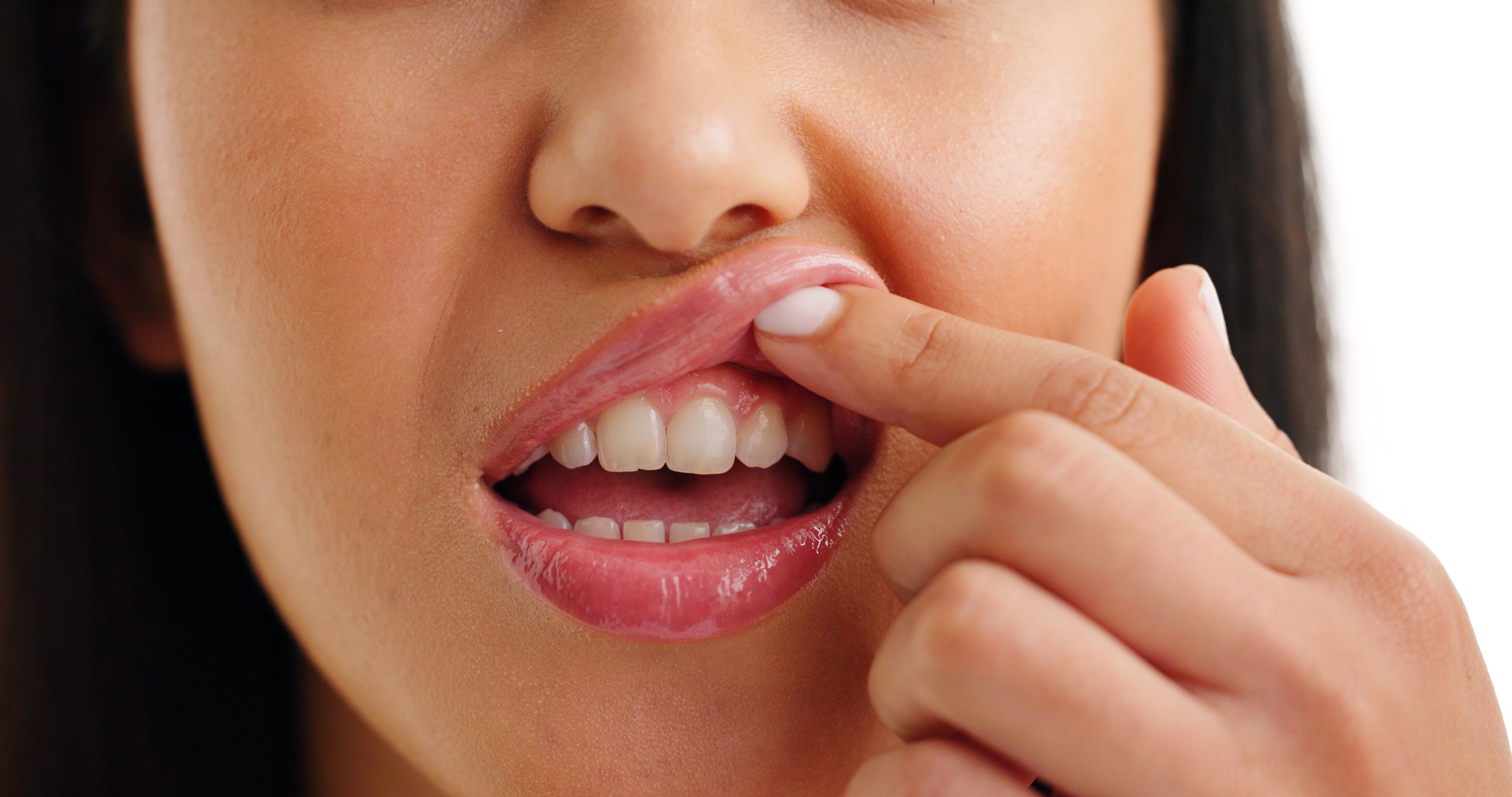
Many patients assume all dental cleanings are the same or they just need a regular cleaning instead of a deep cleaning. However, that is NOT always the case. The type of cleaning you need strictly depends on the condition of your teeth and gums. In some cases, a routine cleaning is enough to maintain good oral health. In others, a deep cleaning may be necessary to remove tartar buildup below the gumline and manage signs of gum disease. In general, the chance of needing a deep cleaning goes up if patients haven’t followed up with their cleaning for more than one year.
When a Routine Cleaning Is Enough
Routine cleanings are typically recommended for patients who maintain regular dental visits every six months and have generally healthy gums. If your gums are pale pink, firm, and not bleeding much during brushing or flossing, a routine cleaning every six months may be all you need. This type of visit helps prevent cavities, gingivitis, and other common dental problems before they become more serious.
When a Deep Cleaning May Be Needed
A deep cleaning is usually recommended when there are signs of gum disease. This can happen when plaque and tartar build up below the gumline, causing inflammation and pockets to form around the teeth. Inflammation inside the gum causes the alveolar bone inside holding our teeth to slowly melt down. This results in horizontal or vertical bone loss when radiographs are taken around the teeth. The scary part of gum disease is that it’s a silent process that happens very slowly, often without symptoms. Bone loss can happen all the way down to the tip of the root of the tooth. This makes it necessary to pull the tooth, even though there is no cavity, because there is no bone supporting or holding the tooth. When patients start feeling symptoms like dull pain or discomfort around the tooth that has irritated gum, a routine cleaning is not enough because the bacteria must be removed from deeper areas to protect the gums, bone, and long-term health of your smile.
Common Signs of Gum Disease
Here are a few signs that may point to the need for a deep cleaning:
- Gums that bleed easily when brushing or flossing
- Persistent bad breath
- Red, swollen, or tender gums
- Gum recession or teeth that appear longer
- Noticeable tartar buildup along the gumline
How Your Dentist Decides
If you are not sure which cleaning you need, your dentist will determine that during an exam. They may evaluate your gum health, check for pockets around the teeth, and look for signs of inflammation or infection. Also taking X-rays around the teeth is an important step to confirm if active gum disease is causing the alveolar bone around the teeth to melt down (either horizontally or vertically).
A dentist will make a definitive diagnosis through the collected information, by a clinical exam and X-rays, and based on that diagnosis the type of cleaning will be determined and recommended.
This helps ensure you receive the right treatment instead of a one-size-fits-all approach.
Why the Right Cleaning Matters
Choosing the correct type of cleaning matters because untreated gum disease can progress over time. A routine cleaning supports prevention, while a deep cleaning is a more targeted treatment for active periodontal concerns. Attempts to get away merely with a regular cleaning even when a deep cleaning is needed can cause bigger problems. A regular cleaning is focused on the cleaning above the gum level while a deep cleaning is focused on going deeper inside the gum. Cleaning superficially above the gum level with a regular cleaning doesn’t really remove the tartar buildup or infection deep inside the gum. Therefore, the trapped infection inside the gum can result in a periodontal abscess which could be prevented with a deep cleaning.
Getting the right care at the right time can help you avoid more complex dental problems later and keep your oral health on track.
Personalized Dental Care in Las Vegas
If you have bleeding gums, heavy buildup, or it has been a while since your last visit, it may be time to schedule an evaluation. Dr. Park and his team provide a variety of patient-centered dental care in Las Vegas including preventive and periodontal services tailored to your needs.
Contact Elite Care Dental to learn whether a deep cleaning or a regular cleaning would be right for your smile. Visit our office in Las Vegas, Nevada, or call (702) 776-9343 to book an appointment today.
Quick Links
Helpful Articles
article_category: products
article_category: psychiatry
article_category: faqs
article_category: cats
article_category: general
article_category: services
article_category: technology
article_category: dogs
article_category: restorative
article_category: vision therapy
article_category: contact lenses
article_category: health
article_category: conditions
article_category: eye surgery co-management
article_category: exotic
article_category: cosmetic
article_category: surgical procedures
article_category: aesthetics
article_category: preventative
article_category: ocular disease management
article_category: eyeglasses
article_category: eye health
article_category: large animal
[]
article_category: psychiatry
article_category: faqs
article_category: cats
article_category: general
article_category: services
article_category: technology
article_category: dogs
article_category: restorative
article_category: vision therapy
article_category: contact lenses
article_category: health
article_category: conditions
article_category: eye surgery co-management
article_category: exotic
article_category: cosmetic
article_category: surgical procedures
article_category: aesthetics
article_category: preventative
article_category: ocular disease management
article_category: eyeglasses
article_category: eye health
article_category: large animal
[]
Flowbite is an open-source library of interactive components built on top of Tailwind CSS including buttons, dropdowns, modals, navbars, and more.
Check out this guide to learn how to get started and start developing websites even faster with components on top of Tailwind CSS.
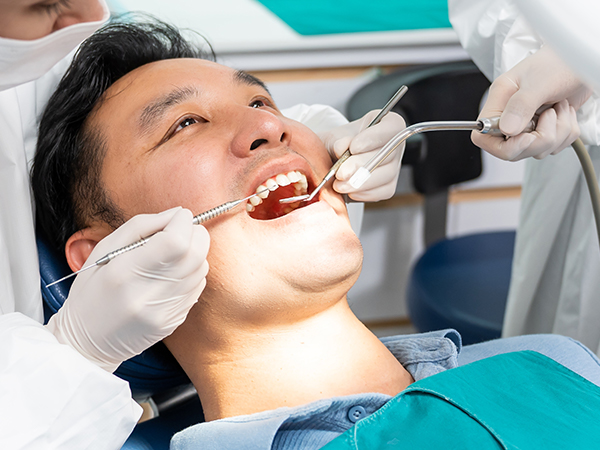
All Dental Services
We offer a wide variety of dental services to the Las Vegas community. Contact us with any questions about our services.

Keep In Touch
For non-urgent questions or to learn more about our services, contact us today!
© 2026 ELITE CARE DENTAL. All rights Reserved - Accessibility Statement - Privacy Policy - Terms & Conditions - Sitemap
Managed and Designed by 