
Advanced Dentistry

Advanced Dental Services Offered at ELITE CARE DENTAL
At ELITE CARE DENTAL we offer a wide array of services including preventive care, cosmetic dentistry and restorative treatments. Our goal is to ensure that you receive the highest quality care tailored to meet your unique dental needs and achieve optimal oral health.
Dental Implants
Sinus Lift Surgeries
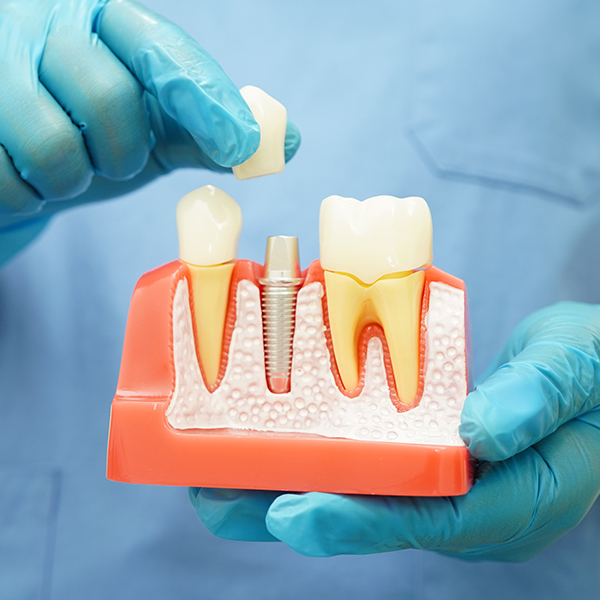
The sinus above our upper jaw often limits the bone volume that can be utilized to place a dental implant. To overcome such a limitation, the lining membrane of the sinus is often lifted to secure more space for the dental implant and bone graft material. Based on the remaining volume of bone, there are two approaches for sinus lifting: the Crestal approach and the Lateral approach. It is a technique-sensitive procedure that requires clinical experience. ELITE CARE DENTAL uses “Versah” Osseo-condensation implant drills for a smooth crestal approach, sinus lift surgery, and has a Lateral approach kit of MEGAGEN dental implants.All-on-X Implant Restoration
For edentulous patients who want to restore their mouth with implants instead of traditional dentures, 4 or 6 dental implants can be placed per arch, and a removable fixed prosthesis can be designed for restoration. ELITE CARE DENTAL has the technology and experience to support All-on-X cases.Oral Surgery

Surgical Extractions & Bone Grafting
Teeth that are severely damaged or non-restorable often require extraction.However, not all extractions are straightforward, and careful technique is essential to ensure the entire tooth is removed while preserving as much surrounding bone as possible.
In more complex cases, treatment planning may involve sectioning the tooth or gently reflecting the gum tissue to facilitate a safe and controlled removal.
Teeth that have undergone prior root canal treatment, for example, may present additional challenges and require a more strategic approach.
When future tooth replacement (such as a dental implant, bridge, or denture) is planned, bone grafting at the time of extraction is recommended.
This helps preserve the natural bone structure and prevents shrinkage of the extraction site. Various grafting materials may be selected based on the specific clinical situation.
Following extraction and bone grafting, a healing period of approximately two months is typically required before proceeding with final restoration.
Wisdom Tooth Removal
When wisdom teeth begin to cause discomfort, particularly in the back of the mouth, removal is often recommended to prevent recurring symptoms.Wisdom teeth may be fully erupted, partially impacted, or fully impacted. Proper evaluation, including a panoramic X-ray, is important to assess their position.
For lower wisdom teeth, special attention is given to the proximity of the roots to the inferior alveolar nerve to ensure safe treatment planning.
Dr. Park at Elite Care Dental has performed over 1,000 wisdom tooth removal procedures and brings extensive experience in managing these cases with precision and care while minimizing potential complications.
Endodontics
Root Canal Treatment
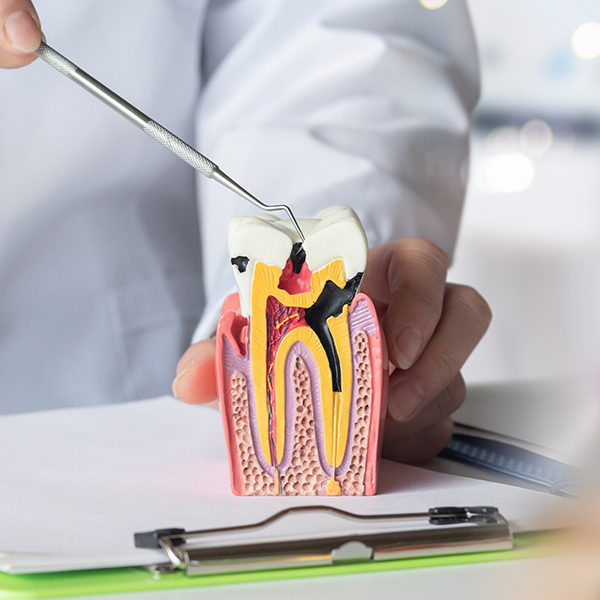
Whenever the nerve inside the tooth gets infected or dies because of injury, decay, or infection, a root canal treatment becomes inevitable. Root canal treatment, especially on molar teeth, can be more technique-sensitive, and not all dentists prefer providing the service. Dr. Park provides Molar root canal treatment at ELITE CARE DENTAL.Root Canal Retreatment
Retreatment of a tooth that had previous root canal treatment can be necessary in case recurrent infection is observed. It is an advanced, technique-sensitive procedure removing the previous material, cleaning and resealing inside the tooth.Cosmetic
Teeth Whitening
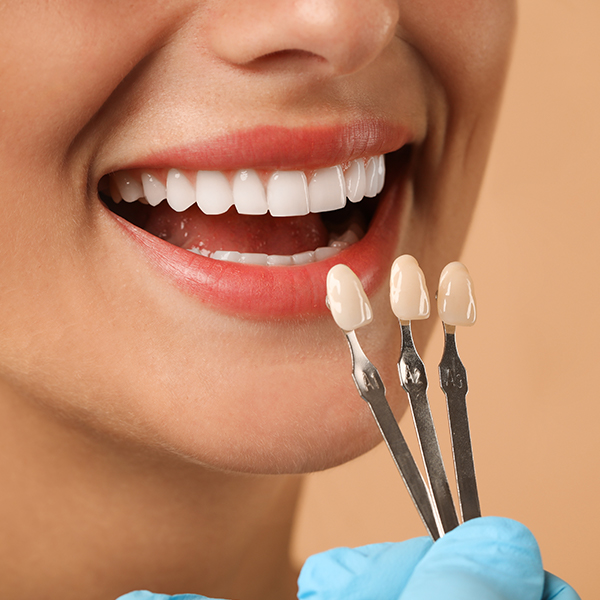
Teeth whitening done in a dental practice setting is effective compared to an Over-The-Counter whitening product. ELITE CARE DENTAL uses “ZOOM” for office bleaching, which ensures the best clinical outcome. Custom tray bleaching options like “Opalescence” are less effective but can be a convenient option.Veneers
Porcelain veneers are arguably one of the most popular cosmetic dentistry solutions currently available. These thin, fingernail-like covers are applied to the outer enamel of the teeth, where they work to cover any cosmetic imperfections and improve the overall appearance of the teeth. In doing so, porcelain veneers can transform any smile and give patients greater confidence to share their smiles with the world.
Cosmetic Smile Makeover
Many dental patients are looking for ways to improve the appearance of their teeth and overall look of their smile, which is why many dentists have started to offer smile makeover services. These treatment plans are individualized based on a patient’s personal needs.Full Mouth Rehabilitation
Full Mouth Rehabilitation with multiple crowns
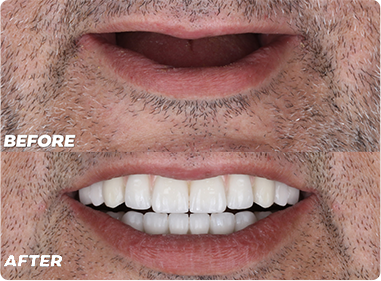
Oftentimes, when the height of the posterior bite of the patient is decreased or collapsed, a full mouth rehabilitation can help restore not only the proper bite but also the facial profile of the patient. The current bite of the patient can be changed by putting multiple crowns on the patient’s existing teeth. Sophisticated planning is crucial for an ideal clinical result.Orthodontics
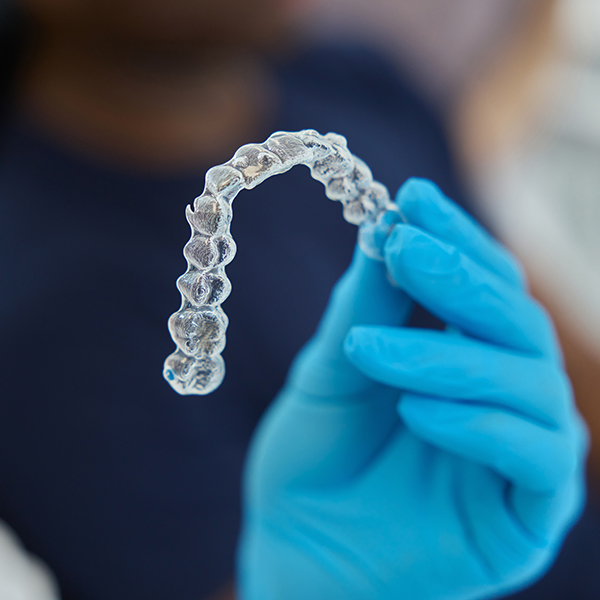
Candid Pro Clear Aligners
For patients having slight crowding or spacing issues with their teeth alignment, a Clear aligner can be a convenient treatment option. Although the market leader is “Invisalign”, ELITE CARE DENTAL would like to provide our patients with a more affordable brand, “Candid Pro”, which has the same quality. Keep in mind that complex cases are better referred to an Orthodontist to save the patient’s time.Quick Links
Helpful Articles
article_category: products
article_category: psychiatry
article_category: faqs
article_category: cats
article_category: general
article_category: services
article_category: technology
article_category: dogs
article_category: restorative
article_category: vision therapy
article_category: contact lenses
article_category: health
article_category: conditions
article_category: eye surgery co-management
article_category: exotic
article_category: cosmetic
article_category: surgical procedures
article_category: aesthetics
article_category: preventative
article_category: ocular disease management
article_category: eyeglasses
article_category: eye health
article_category: large animal
[]
article_category: psychiatry
article_category: faqs
article_category: cats
article_category: general
article_category: services
article_category: technology
article_category: dogs
article_category: restorative
article_category: vision therapy
article_category: contact lenses
article_category: health
article_category: conditions
article_category: eye surgery co-management
article_category: exotic
article_category: cosmetic
article_category: surgical procedures
article_category: aesthetics
article_category: preventative
article_category: ocular disease management
article_category: eyeglasses
article_category: eye health
article_category: large animal
[]
Flowbite is an open-source library of interactive components built on top of Tailwind CSS including buttons, dropdowns, modals, navbars, and more.
Check out this guide to learn how to get started and start developing websites even faster with components on top of Tailwind CSS.
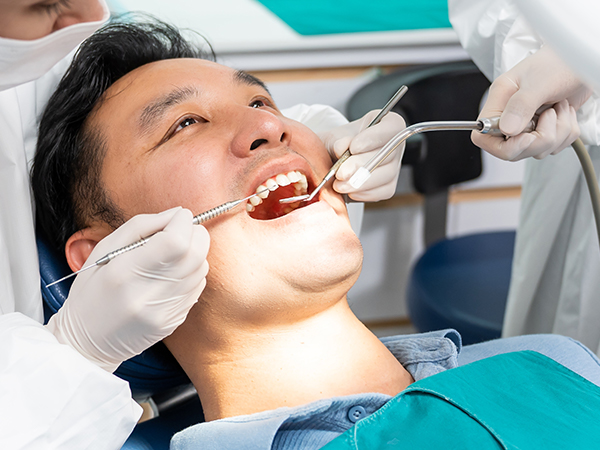
All Dental Services
We offer a wide variety of dental services to the Las Vegas community. Contact us with any questions about our services.

Keep In Touch
For non-urgent questions or to learn more about our services, contact us today!
© 2026 ELITE CARE DENTAL. All rights Reserved - Accessibility Statement - Privacy Policy - Terms & Conditions - Sitemap
Managed and Designed by 