
5 Common Signs You Shouldn't Delay Visiting the Dentist

Blog:5 Common Signs You Shouldn't Delay Visiting the Dentist
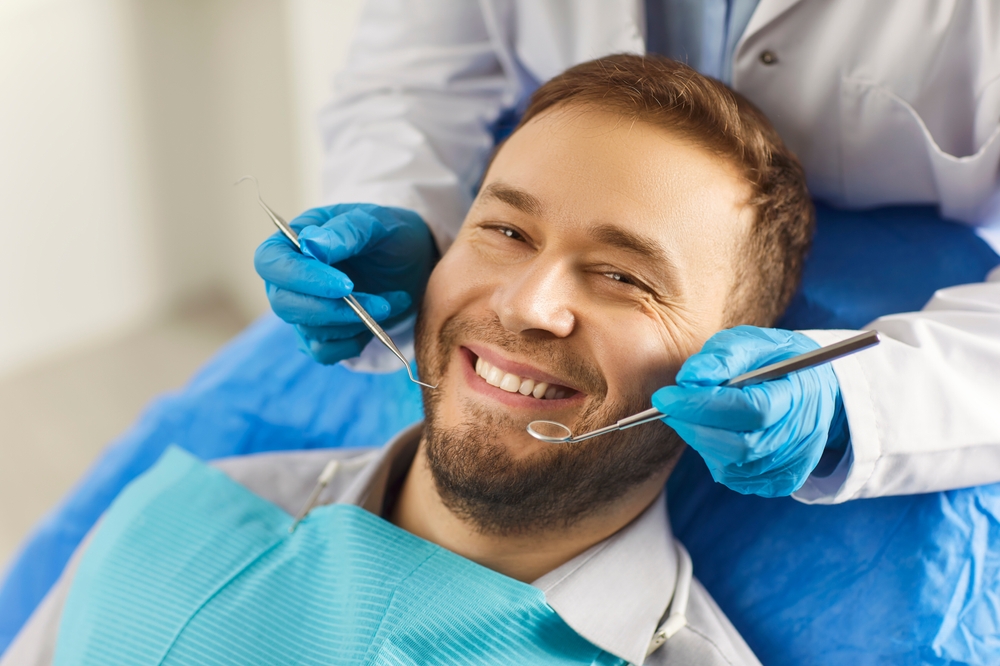
Have you ever wondered,
"Should I see a dentist now, or can I wait a little longer?"
You're not alone.
After summer vacations and family trips, many people begin to notice discomfort in their mouth. Unless they're experiencing severe tooth pain or significant swelling, it's common to postpone a dental visit.
However, delaying treatment often allows a minor problem to develop into a more complicated and more expensive one.
Here are five common signs that you should schedule a dental examination sooner rather than later.
1. You have a dull, aching discomfort around a tooth or your gums.
If it has been over a year since your last professional dental cleaning, this may be an early sign of gum disease (periodontitis).
When plaque and tartar accumulate beneath the gumline, a routine cleaning may no longer be sufficient. In many cases, a deep cleaning (scaling and root planning) is needed to remove bacteria below the gums and help restore periodontal health.
2. You feel a sharp pain only when biting hard foods.
A sudden, sharp pain while chewing is one of the classic signs of a cracked tooth syndrome.
Unfortunately, cracked teeth rarely heal on their own. Without treatment, the crack may continue to worsen and eventually require root canal treatment or even tooth extraction.
The earlier the problem is diagnosed, the more treatment options are available to preserve the tooth.

3. Your front teeth keep chipping or wearing down.
Repeated chipping of the front teeth is often not just a problem with the front teeth themselves.
It may indicate an underlying bite (occlusion) problem.
When the back teeth are worn down or missing, excessive biting forces are transferred to the front teeth, causing them to chip repeatedly over time.
Simply repairing the chipped tooth without addressing the underlying bite may lead to the same problem happening again.

4. You have a pimple-like bump on your gums that won't go away.
A persistent bump on the gum may be a sign of a chronic infection at the tip of the tooth root (a dental abscess or draining sinus tract).

Even if you are not experiencing significant pain, the infection may continue to destroy the surrounding bone.
Prompt evaluation is recommended because treatment is often more predictable before extensive bone loss occurs.
5. The edge of an old crown looks dark, or food frequently gets trapped around it.
One of the most common reasons crowns need to be replaced is recurrent decay (secondary caries) developing underneath the crown margin.
If you notice:
- A dark line along the edge of the crown
- A visible gap between the crown and the gum
- Food constantly getting trapped around the crown
it may indicate that bacteria have entered beneath the restoration.

This is especially important if the tooth has previously had root canal treatment. Because the nerve has already been removed, the tooth may develop extensive decay without causing noticeable pain.
If left untreated, the remaining tooth structure can become so weakened that the tooth may no longer be restorable.
Why an Accurate Diagnosis Matters
Although these symptoms may appear similar, their underlying causes can be very different.
That's why a thorough dental examination including a detailed discussion of your symptoms, appropriate radiographs, and a comprehensive clinical evaluation is essential for making an accurate diagnosis and developing the right treatment plan.
At Elite Care Dental, we intentionally schedule sufficient time for every new patient examination so you can fully understand:
- What is causing your symptoms
- Whether treatment is necessary
- Which treatments are recommended
- What may happen if treatment is delayed
Our goal is not simply to treat teeth.
It is to help you make informed decisions about your oral health.
Because we provide nearly all aspects of general dentistry in our office (with the exception of comprehensive orthodontics and TMJ specialty care), most patients can complete their treatment without being referred to multiple offices.
Do Any of These Signs Sound Familiar?
If you recognize even one of these symptoms, we recommend scheduling a dental examination before the problem becomes more serious.
Early diagnosis often means simpler treatment, lower costs, and a better long-term outcome.
If you would like us to verify your dental insurance benefits before your appointment, simply text us:
- Photos of the front and back of your dental insurance card
- Your date of birth
and we'll gladly review your benefits in advance.
Elite Care Dental
📍 5550 S Fort Apache Rd, Suite 101
Las Vegas, NV 89148
📞 (702) 776-9343
We proudly provide consultations in English, Korean, and Spanish.
Quick Links
Helpful Articles
article_category: products
article_category: psychiatry
article_category: faqs
article_category: cats
article_category: general
article_category: services
article_category: technology
article_category: dogs
article_category: restorative
article_category: vision therapy
article_category: contact lenses
article_category: health
article_category: conditions
article_category: eye surgery co-management
article_category: exotic
article_category: cosmetic
article_category: surgical procedures
article_category: aesthetics
article_category: preventative
article_category: ocular disease management
article_category: eyeglasses
article_category: eye health
article_category: large animal
[]
article_category: psychiatry
article_category: faqs
article_category: cats
article_category: general
article_category: services
article_category: technology
article_category: dogs
article_category: restorative
article_category: vision therapy
article_category: contact lenses
article_category: health
article_category: conditions
article_category: eye surgery co-management
article_category: exotic
article_category: cosmetic
article_category: surgical procedures
article_category: aesthetics
article_category: preventative
article_category: ocular disease management
article_category: eyeglasses
article_category: eye health
article_category: large animal
[]
Flowbite is an open-source library of interactive components built on top of Tailwind CSS including buttons, dropdowns, modals, navbars, and more.
Check out this guide to learn how to get started and start developing websites even faster with components on top of Tailwind CSS.
All Dental Services
We offer a wide variety of dental services to the Las Vegas community. Contact us with any questions about our services.

Keep In Touch
For non-urgent questions or to learn more about our services, contact us today!
© 2026 ELITE CARE DENTAL. All rights Reserved - Accessibility Statement - Privacy Policy - Terms & Conditions - Sitemap
Managed and Designed by 